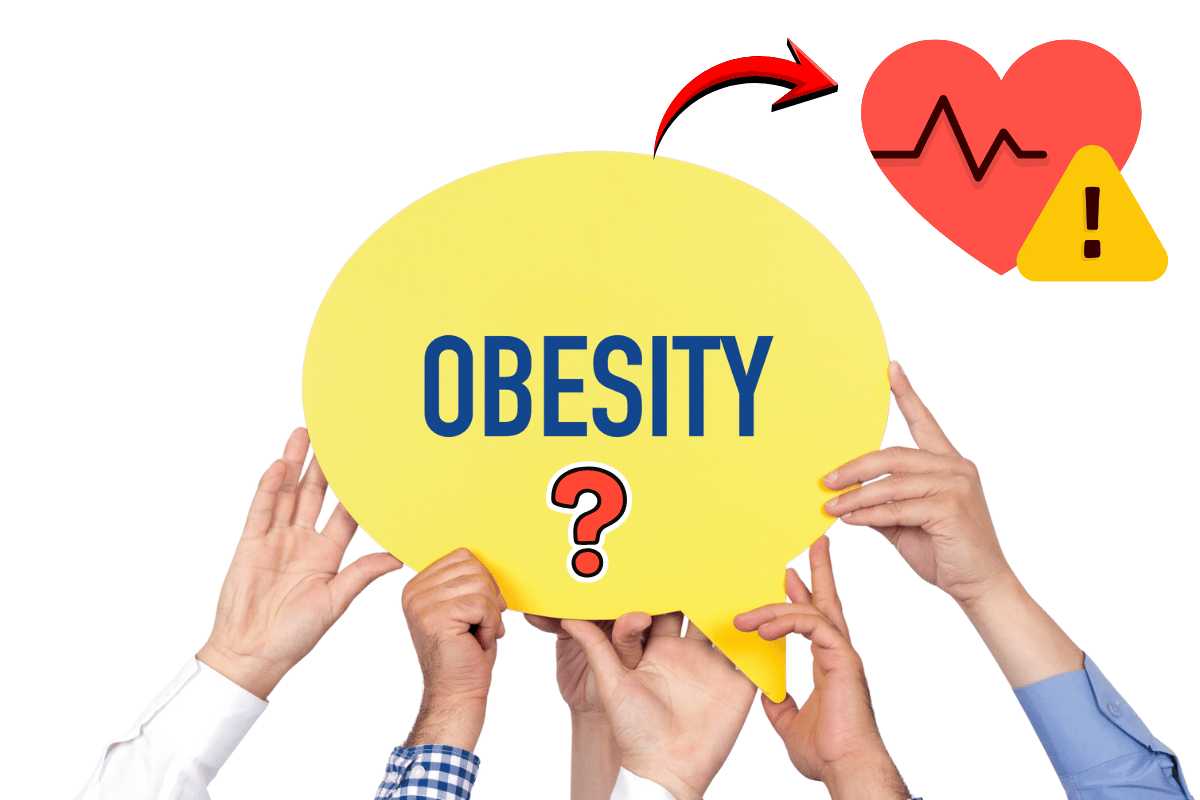
Obesity has become one of the fastest-growing health concerns across the world, especially among adults. While weight gain affects overall well-being, its impact on heart health is particularly alarming. Excess body fat increases the risk of heart disease, stroke, high blood pressure, and multiple chronic conditions that can damage cardiovascular function. Understanding how obesity affects the heart—and taking steps to manage weight—can significantly reduce long-term health risks. This article explores the relationship between obesity and heart disease and shares practical ways to protect your heart.
1. How Obesity Affects Your Heart and Cardiovascular System
Obesity places significant strain on the heart, forcing it to work harder to pump blood throughout the body. Over time, this excess pressure weakens the heart muscles and increases the risk of several cardiovascular complications.
Increased Blood Pressure
One of the most common impacts of obesity is hypertension (high blood pressure). When excess fat accumulates, especially around the abdomen, it can compress blood vessels and make it harder for blood to circulate. This leads to increased pressure on artery walls, eventually damaging them and raising the risk of heart attack and stroke.
High Cholesterol Levels
Obesity often leads to elevated levels of LDL (bad cholesterol) and reduced levels of HDL (good cholesterol). High LDL levels promote plaque buildup inside arteries (atherosclerosis), narrowing blood passages and reducing oxygen supply to the heart. This can trigger coronary artery disease, chest pain, or even a sudden cardiac event.
Increased Risk of Heart Failure
Carrying excess weight puts substantial pressure on the heart. Over time, this can lead to left ventricular hypertrophy, a condition where the heart’s left pumping chamber thickens and weakens. If untreated, it may result in heart failure.
Higher Likelihood of Diabetes
Obesity is closely linked with type 2 diabetes, which is a major risk factor for heart disease. High blood sugar levels damage blood vessels and nerves that control the heart, making obese individuals more vulnerable to cardiovascular complications.
Understanding these risks is the first step toward protecting your heart and taking control of your health.
2. Warning Signs That Obesity Is Affecting Your Heart
While some people may not experience obvious symptoms, obesity-related heart issues often develop silently. However, certain warning signs should never be ignored:
- * Persistent fatigue or tiredness even after minimal activity
- * Shortness of breath or difficulty breathing
- * Chest pain, pressure, or discomfort
- * Irregular heartbeat or palpitations
- * Swelling in legs, ankles, or feet
- * Difficulty sleeping or waking up breathless
If you experience any of these symptoms, it is crucial to consult a cardiologist immediately. Early diagnosis can help prevent complications and ensure timely medical intervention.
3. Lifestyle Changes to Reduce Heart Risks Related to Obesity
The most effective way to reduce the impact of obesity on heart health is by making simple, sustainable lifestyle changes. You don’t need drastic diets or extreme workouts—consistent daily habits are enough to create long-term transformation.
Adopt a Heart-Healthy Diet
Aim for a balanced diet that includes:
* Whole grains like oats, brown rice, and quinoa
* Fresh fruits and vegetables
* Lean proteins such as fish, eggs, and legumes
* Healthy fats, including nuts, seeds, and olive oil
* Limited sugar, salt, and processed foods
- Following the Mediterranean diet or a plant-based diet has also shown excellent results in improving heart function.
Increase Physical Activity
Regular physical activity helps burn calories, improves blood flow, and strengthens the heart muscles. Aim for:
* 150 minutes of moderate exercise per week (walking, cycling, swimming)- * Light strength training 2–3 times per week
- * Daily stretching and mobility exercises
Even simple lifestyle activities such as taking the stairs, doing household chores, or walking after meals contribute significantly to weight reduction.
Manage Stress Levels
Excessive stress increases cortisol levels, which leads to weight gain and higher blood pressure. Practice:
- * Meditation
- * Deep breathing exercises
- * Yoga
- * Listening to calming music
- * Maintaining a healthy work–life balance
Ensure Adequate Sleep
Poor sleep increases hunger hormones and leads to weight gain. Adults need 7–8 hours of restful sleep every night to support metabolism and heart health.
4. Medical Support & When to Seek Professional Help
While lifestyle changes can help most people, some may need medical guidance to manage obesity and associated heart risks.
- When to Seek Medical Help
- * If you struggle with diabetes, hypertension, or high cholesterol
- * When diet and exercise alone do not show results
- * If you have a family history of heart disease
- * If you experience recurrent chest discomfort or breathlessness
Doctors may recommend structured weight loss programs, medications, or even surgical options like bariatric procedures for severely obese individuals. Early intervention is key to preventing long-term heart damage.
Conclusion
Obesity is one of the leading contributors to cardiovascular diseases worldwide, but the good news is that it is largely preventable. By understanding how excess weight affects your heart and taking proactive steps—such as maintaining a balanced diet, increasing physical activity, managing stress, and getting regular medical checkups—you can significantly reduce your risk. Your heart is your body’s most vital organ, and protecting it begins with taking care of your overall health. Start small, stay consistent, and make your heart health a priority.