A New Era in Aortic Valve Care
Offering a minimally invasive solution for aortic valve disease with expert intervention, advanced technology, and world-class cardiac care.
What is TAVI?
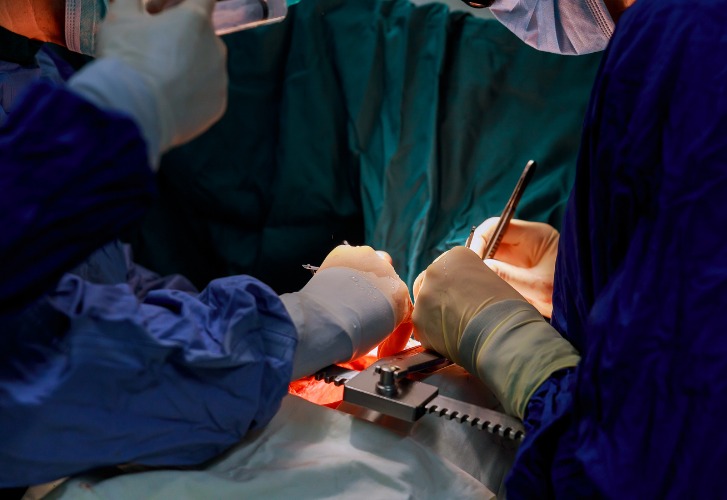
TAVI is an advanced, minimally invasive procedure used to replace a narrowed or failing aortic valve without open-heart surgery. A new valve is delivered through a catheter, usually via a blood vessel in the leg, and positioned inside the diseased valve.
At St. Thomas Heart Centre, our experienced TAVI team comprising interventional cardiologists, cardiac surgeons, anesthetists, imaging specialists, and nursing experts, works collaboratively to ensure safe, precise, and effective treatment at every stage.
When Is Aortic Valve Replacement Necessary?
- Severe Aortic Stenosis: When the aortic valve becomes narrowed, restricting blood flow from the heart and causing symptoms like breathlessness, chest pain, or fainting.
- High Surgical Risk Patients: Patients who may not be ideal candidates for open-heart surgery due to age, frailty, or other medical conditions.
- Heart Failure Symptoms:Progressive fatigue, swelling, and reduced exercise tolerance due to impaired valve function.

Why Choose St. Thomas Heart Centre for TAVI
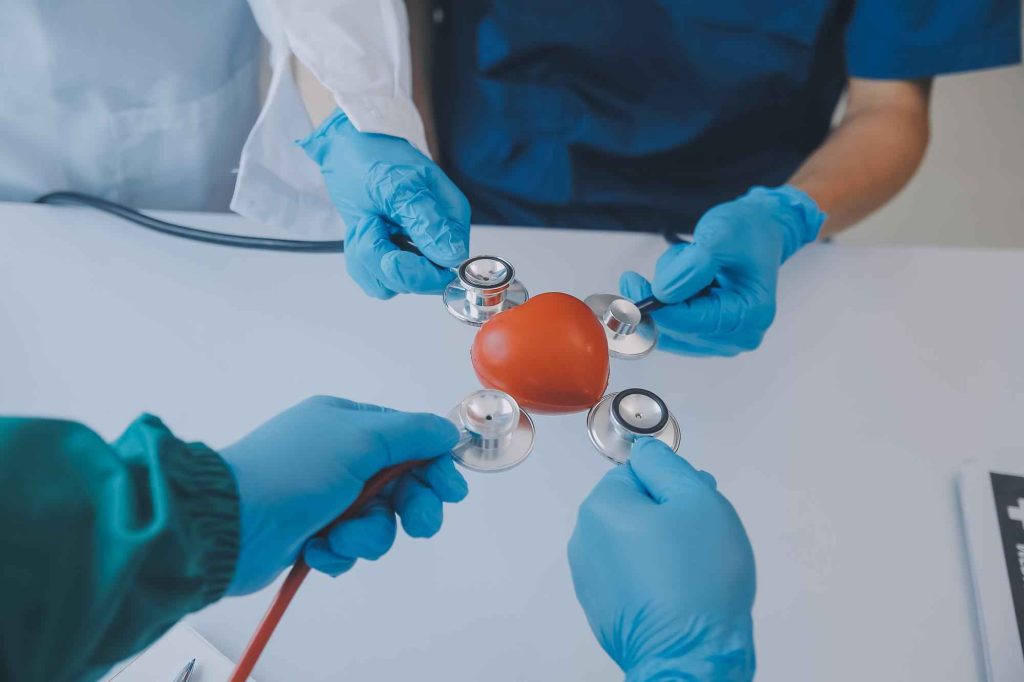
At St. Thomas Heart Centre, precision, safety, and patient comfort define our TAVI program. Our skilled clinicians and behind-the-scenes technical teams work in perfect coordination to deliver excellent outcomes with minimal recovery time.
Guided by innovation, compassion, and clinical excellence, we are committed to providing reliable, minimally invasive heart valve solutions that restore quality of life.
01. Experienced TAVI Specialists:
Highly trained interventional cardiologists and cardiac surgeons with extensive experience in structural heart procedures.
02. Advanced Imaging & Cath Lab Facilities:
State-of-the-art cath labs, 3D imaging, and real-time guidance systems for precise valve placement.
03. Multidisciplinary Heart Team:
Cardiology, surgery, anesthesia, imaging, nursing, and rehabilitation experts collaborating for seamless care.
04.Minimal Invasion, Faster Recovery:
Reduced surgical trauma, shorter hospital stays, and quicker return to daily activities.
05. Comprehensive Follow-Up Care:
Personalised medication plans, regular monitoring, and long-term valve performance assessment.
Why Early TAVI Matters
Postponing treatment for severe aortic valve disease can result in rapid deterioration and serious complications.
- Worsening shortness of breath and fatigue
- Increased risk of heart failure
- Higher chances of sudden cardiac events
- Reduced blood flow to vital organs
- Declining quality of life
- Increased procedural risk if intervention is delayed
Make an appointment
Your Tavi Journey: Evaluation to Recovery
Our TAVI program follows a structured, patient-focused pathway to ensure safety, clarity, and comfort throughout the treatment journey.
Initial Evaluation
Comprehensive heart assessments, echocardiography, CT scans, blood tests, and functional evaluation.
Eligibility Assessment
The heart team reviews medical history, imaging results, and overall health to confirm TAVI suitability.
Pre-Transplant Preparation
Medication review, pre-procedure guidance, and counselling to prepare patients and families.
TAVI Procedure
Performed by expert specialists using catheter-based techniques and advanced valve systems.
Post-Procedure Monitoring
Close observation for heart rhythm, valve function, and overall stability, usually in a monitored unit.
Recovery & Long-Term Follow-Up
Early mobilisation, lifestyle advice, medication management, and regular follow-up visits for sustained heart health.
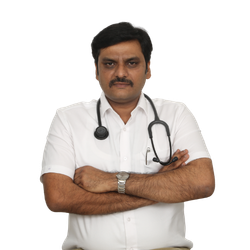
Our Doctors
Frequently Asked Questions
1. How long does a TAVI procedure take?
The procedure typically takes 1–2 hours, depending on individual anatomy and complexity.
2.Is TAVI safer than open-heart surgery?
For eligible patients, TAVI offers a less invasive option with lower surgical risk and faster recovery.
3. How long is the hospital stay after TAVI?
Most patients are discharged within 3–5 days, depending on recovery progress.
4. Will I need lifelong medication after TAVI?
Your doctor may recommend medications such as blood thinners.
5. Can I return to normal activities after TAVI?
Yes. Most patients resume daily activities within a short period, with improved symptoms and quality of life
6. Is TAVI suitable for everyone with valve disease?
No. TAVI suitability depends on valve anatomy, overall health, and clinical assessment by the heart team.