
Trusted Pacemaker Solutions
Supporting a steady and healthy heartbeat through advanced pacing technology, expert specialists, and comprehensive cardiac care.
Understanding Pacemaker
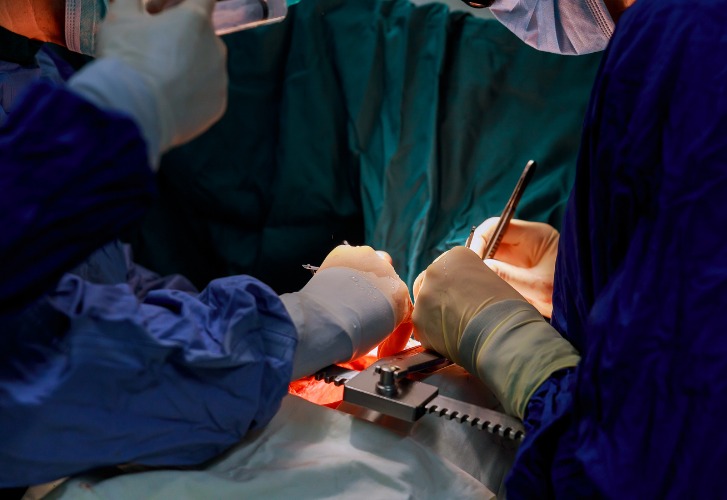
A pacemaker is a small medical device implanted under the skin to help regulate abnormal heart rhythms and maintain a normal heartbeat. It sends gentle electrical impulses to the heart when it beats too slowly or irregularly, ensuring consistent blood flow throughout the body.
Pacemakers are commonly recommended for patients with bradycardia, heart block, or other rhythm disorders that cause dizziness, fatigue, or fainting. At St. Thomas Heart Centre, pacemaker implantation is performed by experienced cardiologists using precise techniques and advanced monitoring for patient safety and comfort.
When Pacemaker Implantation Becomes Essential?
- Slow Heart Rate (Bradycardia): Abnormally slow heartbeat leading to fatigue, dizziness, or fainting episodes.
- Heart Block: Electrical signal delay or blockage between the heart chambers affecting rhythm and circulation.
- Recurrent Fainting (Syncope):Unexplained blackouts caused by irregular or slow heart rhythms.

Expert Pacemaker Care at St. Thomas Heart Centre
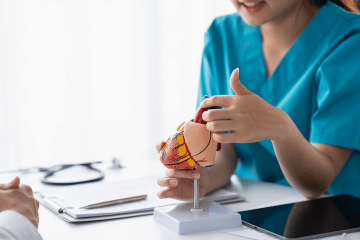
At St. Thomas Heart Centre, precision, reliability, and patient reassurance define our pacemaker services. Our cardiology teams ensure accurate device selection and safe implantation for long-term rhythm control. With a patient-focused approach and advanced technology, we help individuals regain confidence, energy, and quality of life.
01. Experienced Electrophysiology Specialists:
Highly trained cardiologists with expertise in rhythm management and device implantation.
02.Advanced Pacing Technology:
Single-chamber, dual-chamber, and rate-responsive pacemakers based on patient needs.
03. Minimally Invasive Implantation:
Small incision technique with reduced discomfort and faster recovery.
04. Continuous Monitoring & Programming:
Precise device settings tailored for optimal heart rhythm control.
05. Comprehensive Follow-Up Care:
Regular device checks, battery monitoring, and long-term rhythm assessment.
Why Timely Pacemaker Matters?
Delaying treatment for heart rhythm disorders can result in serious and life-threatening complications.
- Worsening dizziness and fainting episodes
- Increased risk of falls and injuries
- Progressive heart failure symptoms
- Reduced blood flow to vital organs
- Sudden cardiac events
- Declining quality of life
- Early pacemaker implantation helps restore stable rhythm and prevent complications.
Make an appointment
Preparation and Recovery
At St. Thomas Heart Centre, we follow a structured, transparent, and patient-friendly transplant pathway:
Initial Evaluation
Detailed assessments covering heart tests, blood analysis, imaging studies, and lifestyle review.
Eligibility Assessment
Transplant experts examine medical history and confirm readiness for surgery and recovery.
Pre-Transplant Preparation
Medication optimization, lifestyle guidance, and counselling support from our care team.
Heart Transplant Surgery
Carried out by experienced surgeons using advanced methods and precision-focused protocols.
Post-Transplant ICU Care
Close monitoring of organ function, infection prevention, and overall stabilization.
Rehabilitation & Long-Term Follow-Up
Physiotherapy, nutritional support, and ongoing evaluations for sustained recovery.
Our Doctors

FAQ About Pacemaker Services
1. How long does pacemaker implantation take?
The procedure usually takes 1–2 hours. Duration depends on the type of device used.
2. Is pacemaker implantation a major surgery?
No, it’s minimally invasive and done under local anaesthesia. Most patients tolerate it well.
3. How long is hospital stay after pacemaker implantation?
Most patients are discharged within 1–2 days. Your doctor will guide based on your recovery.
4. Will I feel the pacemaker working?
Most patients do not feel the electrical impulses during normal activities. It works silently in the background.
5. Can I return to normal life with a pacemaker?
Yes, most patients resume daily activities. Many notice improved energy and heart rhythm
6. How long does a pacemaker battery last?
Pacemaker batteries typically last 7–10 years. Lifespan depends on usage and device type.