Advanced Surgical Care for Complex Heart and
Chest Conditions
Managing high-risk and complex cardio-thoracic conditions through expert surgical precision, advanced technology, and comprehensive critical care.
Understanding Complicated Cardio-Thoracic Surgery
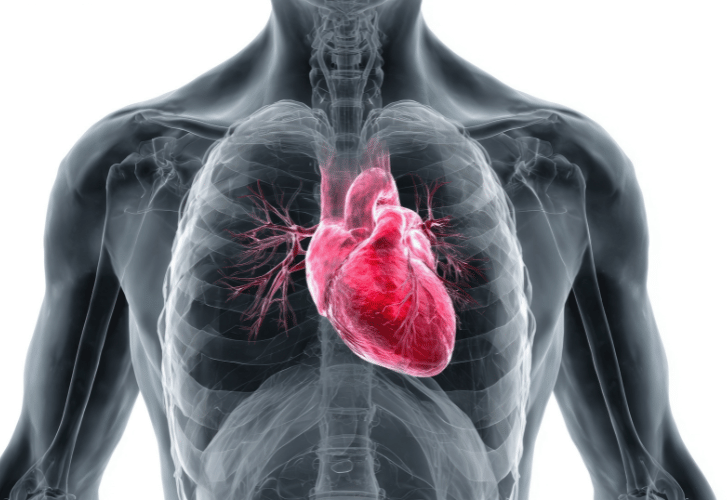
Complicated cardio-thoracic surgery involves advanced surgical procedures performed on the heart, lungs, chest, and major blood vessels.
These surgeries are required for complex or high-risk conditions that cannot be treated with standard surgical or minimally invasive methods.
They may include redo heart surgeries, complex valve repairs, aortic surgeries, and combined heart-lung procedures.
At St. Thomas Heart Centre, complicated cardio-thoracic surgeries are performed by highly experienced surgeons supported by advanced operating theatres and intensive care units.
When Complicated Cardio-Thoracic Surgery Becomes Essential?
- Redo Cardiac Surgeries: Patients requiring repeat heart surgery due to previous surgical failure or disease progression.
- Complex Valve Disease: Multiple or severely damaged valves needing intricate surgical correction.
- Aortic Aneurysm or Dissection: Life-threatening enlargement or tear of the aorta requiring urgent intervention.

Why Choose St. Thomas Heart Centre for Complicated Cardio-Thoracic Surgery
At St. Thomas Heart Centre, expertise, coordination, and patient safety define our complex surgical program. Our multidisciplinary teams plan and execute surgeries with precision to manage even the most challenging cases.
With advanced infrastructure and compassionate care, we provide patients and families with confidence throughout treatment and recovery.
01. Highly Experienced Cardio-Thoracic Surgeons:
Specialists with extensive expertise in complex and high-risk surgeries.
02. Advanced Surgical & Life-Support Technology:
Modern operating theatres, heart-lung machines, and circulatory support systems.
03.Multidisciplinary High-Risk Care Team:
Surgeons, anesthetists, intensivists, perfusionists, and specialised nursing staff.
04. Comprehensive Critical Care Support:
Dedicated cardiac and thoracic intensive care units for close monitoring.
05. Structured Recovery & Follow-Up:
Individualised rehabilitation, medication planning, and long-term monitoring.
Make an appointment
Why Timely Complicated Cardio-Thoracic Surgery Matters?
Delaying complex cardio-thoracic surgery can significantly increase health risks and reduce treatment success.
- Rapid disease progression
- Increased surgical complexity
- Higher risk of organ failure
- Life-threatening complications
- Reduced surgical success rates
- Decline in quality of life
- Timely surgical intervention improves survival and long-term outcomes.
Your Complicated Cardio-Thoracic Surgery Journey: Evaluation to Recovery
Our complex surgery pathway is designed to ensure safety, clarity, and comprehensive care at every stage.
Comprehensive Evaluation
Advanced imaging, cardiac and pulmonary assessments, and risk evaluation.
Multidisciplinary Surgical Planning
Detailed procedure planning involving all relevant specialists
Pre-Surgery Preparation
Medical optimisation, counselling, and patient-family guidance.
Complicated Cardio-Thoracic Surgery
Performed using advanced surgical techniques and life-support systems.
Post-Surgical Monitoring
Intensive care observation and organ-support management.
Recovery & Long-Term Follow-Up
Rehabilitation, lifestyle guidance, and continuous specialist follow-up.
Our Doctors

FAQ About Complicated Cardio-Thoracic Surgery
1. What makes a cardio-thoracic surgery complicated?
Complications can arise from previous surgeries, multiple heart conditions, or involvement of major blood vessels.
2. Is complicated cardio-thoracic surgery high risk?
These procedures carry higher risk but are safely managed by experienced cardiac surgery teams.
3. How long is hospital stay after complex surgery?
Hospital stay varies and may extend from 10 days to several weeks depending on recovery progress.
4.Will recovery take longer after complex surgery?
Yes, recovery may be prolonged and requires close monitoring and follow-up care.
5. Are advanced life-support systems used during surgery?
Yes, specialised support systems are employed during surgery when required to ensure patient safety.
6.Is long-term follow-up necessary?
Continuous monitoring and follow-up are essential for sustained recovery and long-term heart health.