Advanced Heart Surgery with Minimal Disruption
Treating heart conditions through smaller incisions, advanced techniques, and expert surgical care for faster recovery and improved comfort.

Understanding Minimally Invasive Cardiac Surgery
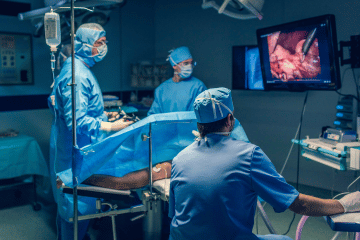
Minimally invasive cardiac surgery involves performing heart procedures through small incisions without opening the entire chest.
Advanced surgical instruments and specialised imaging are used to access the heart with precision and reduced trauma.
This approach is suitable for selected patients requiring valve repair or replacement, bypass surgery, or correction of certain heart defects.
At St. Thomas Heart Centre, minimally invasive cardiac surgeries are performed by experienced surgeons using state-of-the-art technology for safe and effective outcomes.
When Minimally Invasive Cardiac Surgery Becomes Essential?
- Valve Repair or Replacement: Selected valve conditions that can be treated without full open-heart surgery.
- Coronary Artery Disease: Certain patients requiring bypass surgery with reduced surgical trauma.
- Congenital Heart Defects: Repair of specific structural defects through minimally invasive approaches.

Why Choose St. Thomas Heart Centre for Minimally Invasive Cardiac Surgery
At St. Thomas Heart Centre, precision, safety, and patient comfort define our minimally invasive surgery program. Our multidisciplinary teams combine surgical expertise with advanced technology to deliver excellent outcomes.
With a strong focus on recovery and quality of life, we help patients heal faster with less pain and shorter hospital stays.
01. Experienced Minimally Invasive Surgeons:
Highly skilled surgeons trained in advanced minimally invasive cardiac techniques.
02. Advanced Surgical Technology:
Specialised instruments, high-definition imaging, and modern operating theatres.
03. Smaller Incisions, Less Pain:
Reduced blood loss, minimal scarring, and lower infection risk.
04. Faster Recovery & Shorter Stay:
Quicker mobilisation and earlier discharge from hospital.
05.Comprehensive Post-Surgery Care:
Structured rehabilitation, medication management, and follow-up support.
Make an appointment
Why Timely Minimally Invasive Cardiac Surgery Matters?
Delaying appropriate surgical treatment can lead to worsening heart function and complications.
- Progressive heart disease
- Increasing symptoms and discomfort
- Higher risk of heart failure
- Reduced surgical options
- Longer recovery if delayed
- Declining quality of life
- Early minimally invasive intervention can improve outcomes and speed recovery.
Your Minimally Invasive Cardiac Surgery Journey: Evaluation to Recovery
Our minimally invasive surgery pathway is designed to ensure safety, clarity, and patient confidence throughout treatment.
Detailed Cardiac Evaluation
Imaging studies, diagnostic tests, and clinical assessment.
Surgical Planning
Selection of minimally invasive approach based on condition and suitability.
Pre-Surgery Preparation
Medication review, counselling, and procedural guidance.
Minimally Invasive Cardiac Surgery
Performed through small incisions using advanced surgical techniques.
Post-Surgical Monitoring
Observation for heart function, pain control, and recovery.
Recovery & Long-Term Follow-Up
Early mobilisation, rehabilitation, and regular follow-up visits.
Our Doctors

FAQ About Minimally Invasive Cardiac Surgery
1. Is minimally invasive cardiac surgery safe?
Yes, it is safe and effective when performed in carefully selected patients by experienced surgeons.
2. How is it different from open heart surgery?
It uses smaller incisions, causes less trauma, and generally leads to a smoother recovery.
3. How long is hospital stay after surgery?
Most patients are discharged within 3–5 days, depending on their recovery progress.
4. Will there be visible scars?
Scarring is minimal compared to traditional open heart surgery, improving cosmetic outcomes.
5. Can all patients undergo minimally invasive surgery?
No, suitability depends on the patient’s heart condition, anatomy, and overall health.
6. Is recovery faster with minimally invasive surgery?
Yes, patients typically recover quicker and return to normal activities sooner than with traditional surgery.