
Restoring Healthy Heart Valve Function
Replacing damaged heart valves with advanced surgical techniques, expert surgeons, and comprehensive cardiac care.
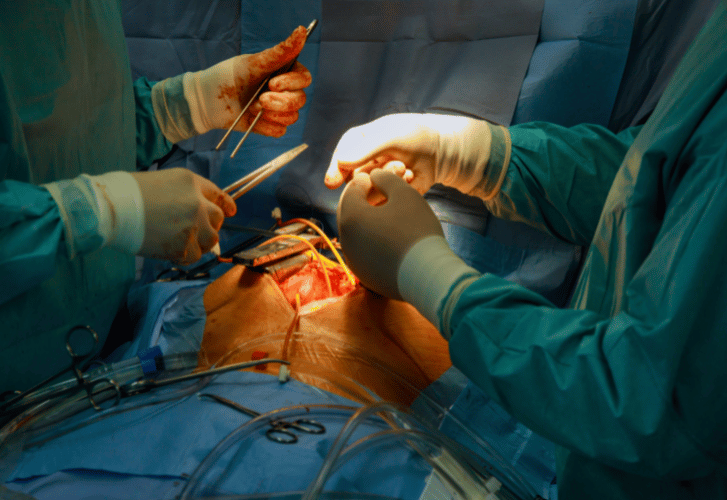
Understanding Valve Replacement Surgery
Valve replacement surgery is an open heart procedure performed to replace a diseased or damaged heart valve with a healthy artificial or biological valve.
It is recommended when heart valves become narrowed or leaky and can no longer regulate blood flow effectively.
Common valve replacement surgeries involve the aortic, mitral, pulmonary, or tricuspid valves.
At St. Thomas Heart Centre, valve replacement surgeries are performed by experienced cardiac surgeons using advanced operating theatres and critical care support.
When Valve Replacement Surgery Becomes Essential?
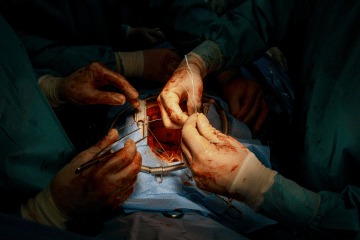
Why Choose St. Thomas Heart Centre for Valve Replacement Surgery
At St. Thomas Heart Centre, precision, safety, and long-term valve performance define our valve surgery program. Our multidisciplinary teams deliver personalised care for optimal outcomes.
With advanced technology and compassionate support, we help patients regain heart efficiency and quality of life.
01. Experienced Valve Surgeons:
Highly skilled surgeons with expertise in complex valve replacement procedures.
02.Mechanical and Biological Valve Options:
Individualised valve selection based on age, lifestyle, and medical needs.
03. Advanced Surgical Infrastructure:
Modern operating theatres with heart-lung machines and advanced monitoring.
04.Dedicated Cardiac ICU:
Specialised post-operative care for safe recovery.
05. Structured Rehabilitation & Follow-Up:
Long-term monitoring, medication guidance, and lifestyle counselling.
Why Timely Valve Replacement Surgery Matters?
Delaying valve replacement can lead to irreversible heart damage and serious complications.
- Worsening breathlessness and fatigue
- Progressive heart enlargement
- Heart rhythm disturbances
- Heart failure progression
- Reduced blood supply to vital organs
- Lower surgical success if delayed
- Timely valve replacement surgery can restore normal blood flow and improve survival.
Make an appointment
Your Valve Replacement Surgery Journey: Evaluation to Recovery
Our valve replacement surgery pathway ensures safety, clarity, and comprehensive care throughout treatment.
Detailed Valve Evaluation
Echocardiography, imaging studies, and cardiac assessments.
Surgical Planning
Valve type selection and procedure planning by the heart team.
Pre-Surgery Preparation
Medication review, counselling, and lifestyle guidance.
Valve Replacement Surgery
Performed under general anaesthesia using advanced surgical techniques.
Post-Surgery Monitoring
Intensive care observation for heart function and recovery.
Recovery & Long-Term Follow-Up
Rehabilitation, medication management, and regular follow-up visits.
Our Doctors

FAQ About Valve Replacement Surgery
1.How long does valve replacement surgery take?
Valve replacement surgery typically lasts 3–5 hours, depending on the valve and procedure complexity. The surgical team ensures a safe and efficient operation.
2.Is valve replacement surgery safe?
Yes, it is highly safe and effective. Advances in surgical techniques and post-operative care help minimize risks and improve outcomes.
3.How long is hospital stay after valve replacement?
Most patients stay in the hospital for 7–10 days, depending on recovery. The care team monitors heart function and progress closely.
4. Will lifelong medication be required after surgery?
Some patients may need long-term blood-thinning or heart medications. Your cardiologist will tailor the regimen to ensure proper valve function.
5. Can normal activities be resumed after valve replacement?
Most patients gradually return to daily activities after recovery. Following doctor’s advice ensures safe reintegration into normal life.
6. How long do replacement valves last?
Valve durability depends on type and patient factors. Mechanical valves can last 20–30 years, while biological valves last 10–20 years.