Correcting Structural Heart Defects with Precision
Restoring normal blood flow between heart chambers through expert repair techniques and comprehensive cardiac care.
Understanding Septal Defect Repair
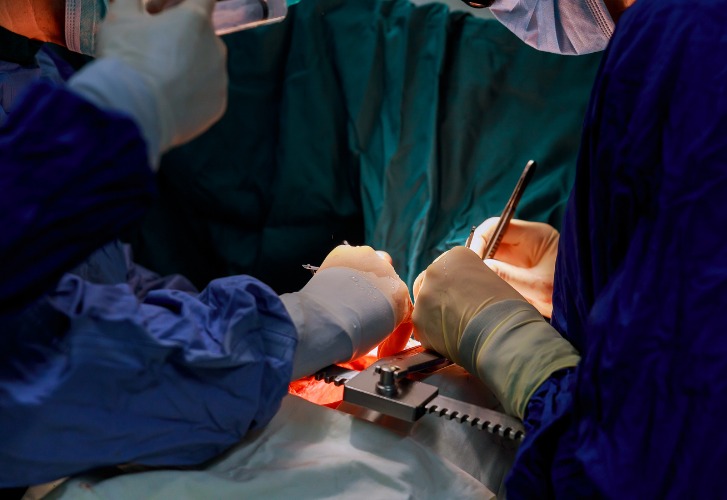
Septal defect repair is a surgical or catheter-based procedure used to close abnormal openings in the heart’s septum between chambers.
These defects, such as atrial septal defect or ventricular septal defect, allow abnormal blood flow and place extra strain on the heart and lungs.
Septal defect repair is recommended when the defect causes symptoms, heart enlargement, or increased pressure in the lungs.
At St. Thomas Heart Centre, septal defect repairs are performed by experienced cardiac specialists using advanced techniques tailored to patient needs.
When Septal Defect Repair Becomes Essential?
- Atrial Septal Defect (ASD): An opening between the upper heart chambers causing excess blood flow to the lungs.
- Ventricular Septal Defect (VSD): A defect between the lower heart chambers leading to heart overload and symptoms.
- Breathlessness and Fatigue: Reduced exercise tolerance due to abnormal circulation.

Why Choose St. Thomas Heart Centre for Septal Defect Repair
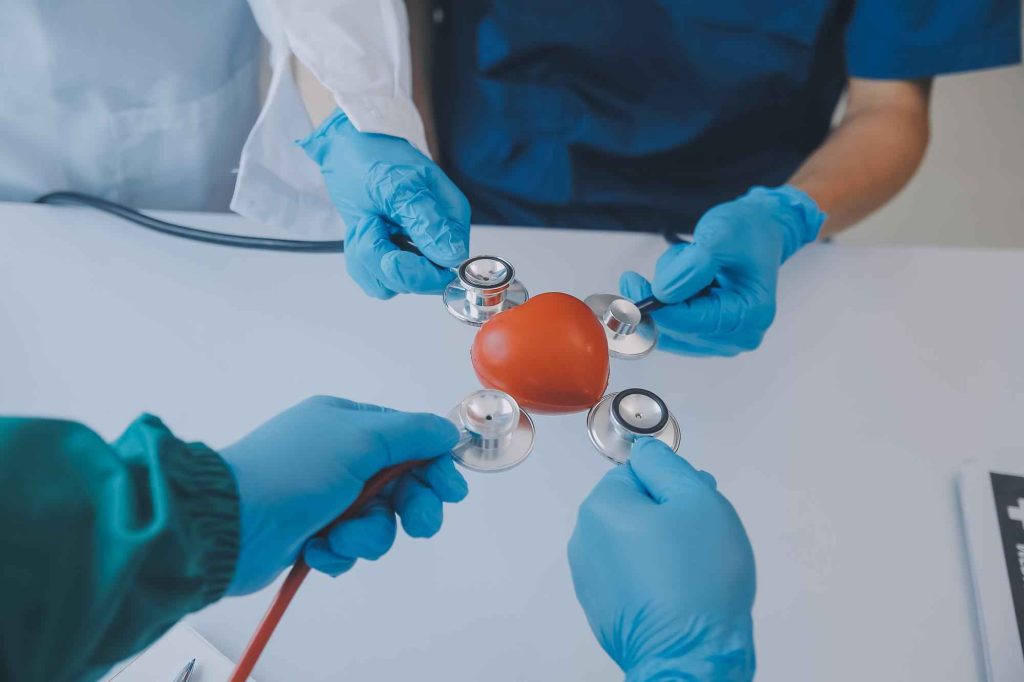
At St. Thomas Heart Centre, accuracy, safety, and long-term outcomes define our septal defect repair program. Our multidisciplinary teams provide personalised care for both children and adults.
With advanced technology and compassionate support, we help patients achieve normal heart function and improved quality of life.
01.Experienced Congenital Heart Specialists:
Skilled cardiologists and surgeons with expertise in ASD and VSD repair.
02. Catheter-Based and Surgical Options:
Minimally invasive device closure or open surgical repair based on defect type.
03.Advanced Imaging & Diagnostics:
Detailed echocardiography and imaging for precise defect assessment.
04. Paediatric and Adult Care:
Dedicated services for infants, children, and adults with congenital heart defects.
05. Comprehensive Follow-Up Care:
Long-term monitoring to ensure heart health and normal development.
Why Timely Septal Defect Repair Matters?
Delaying repair of septal defects can result in progressive and irreversible complications.
- Increasing breathlessness and fatigue
- Recurrent lung infections
- Heart chamber enlargement
- Pulmonary hypertension
- Heart rhythm disturbances
- Reduced life expectancy if untreated
- Early septal defect repair can prevent complications and restore normal circulation.
Make an appointment
Your Septal Defect Repair Journey: Evaluation to Recovery
Our septal defect repair pathway is designed to ensure clarity, safety, and comfort throughout treatment.
Detailed Cardiac Evaluation
Echocardiography, imaging studies, and clinical assessment.
Treatment Planning
Selection of catheter-based or surgical repair by the heart team.
Pre-Procedure Preparation
Medication review, counselling, and procedural guidance..
Septal Defect Repair Procedure
Performed using device closure or surgical techniques under expert care.
Post-Procedure Monitoring
Observation of heart function, rhythm, and recovery.
Recovery & Long-Term Follow-Up
Activity guidance, medications, and regular heart check-ups.
Our Doctors

FAQ About Septal Defect Repair
1. Is septal defect repair a major surgery?
It can be catheter-based or surgical, depending on the type of defect. Your cardiologist selects the safest and most effective approach.
2. How long does the repair procedure take?
The procedure usually takes 1–3 hours. Time varies based on the defect’s size and complexity.
3. How long is hospital stay after repair?
Most patients stay in the hospital for 3–7 days.Your recovery progress determines the exact duration.
4. Can children lead normal lives after repair?
Yes, most children grow and develop normally after successful repair.Early intervention helps ensure a healthy, active life.
5. Are there long-term restrictions after repair?
Most patients have no long-term limitations once fully recovered. Doctors may provide guidance on activity resumption initially.
6.Is follow-up required after septal defect repair?
Yes, regular follow-up is important for proper heart function. It helps monitor recovery and prevent potential complications.