
Restoring Blood Flow to the Heart
Treating blocked coronary arteries with proven bypass surgery, expert cardiac surgeons, and advanced heart care facilities.
Understanding Bypass Surgery
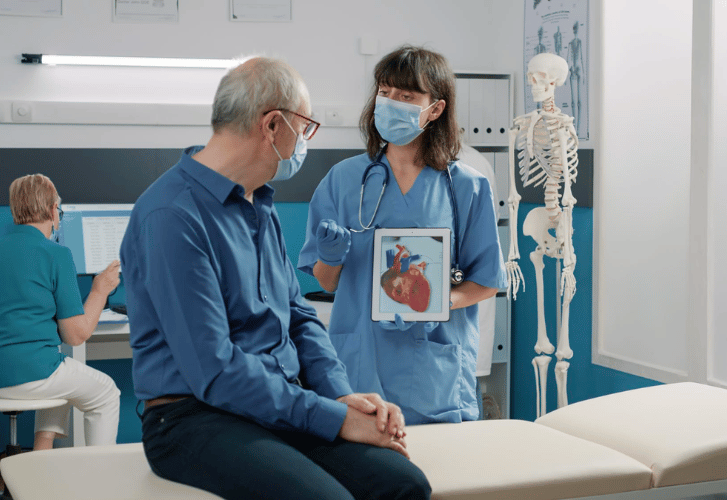
Bypass surgery, also known as Coronary Artery Bypass Grafting, is an open heart procedure used to restore blood flow to the heart muscle.
The surgery involves creating a new pathway for blood by grafting healthy blood vessels from the chest, arm, or leg to bypass blocked coronary arteries.
Bypass surgery is recommended for patients with severe or multiple coronary artery blockages that cannot be effectively treated with medications or angioplasty.
At St. Thomas Heart Centre, bypass surgeries are performed by experienced cardiac surgeons using advanced techniques and comprehensive critical care support.
When Bypass Surgery Becomes Essential?
- Severe Coronary Artery Disease: Significant or multiple artery blockages affecting heart blood supply.
- Left Main Coronary Artery Blockage: Critical narrowing of the main artery supplying the heart.
- Diabetes with Multi-Vessel Disease: Complex coronary disease where bypass surgery offers better long-term outcomes.


Why Choose St. Thomas Heart Centre for Bypass Surgery
At St. Thomas Heart Centre, surgical precision, safety, and long-term outcomes define our bypass surgery program. Our multidisciplinary heart teams work together to deliver reliable results and smooth recovery.
With advanced facilities and compassionate care, we support patients through every phase of surgery and rehabilitation.
01. Experienced Bypass Surgeons:
Highly skilled cardiac surgeons with extensive experience in complex CABG procedures.
02. Advanced Surgical Techniques:
On-pump and off-pump bypass options tailored to patient condition.
03. State-of-the-Art Operating Theatres:
Modern theatres equipped with heart-lung machines and advanced monitoring.
04. Dedicated Cardiac ICU:
Specialised intensive care for close post-operative monitoring.
05. Structured Rehabilitation Program: Care
Supervised recovery, lifestyle guidance, and long-term heart health planning.
Why Timely Bypass Surgery Matters?
Delaying bypass surgery in severe coronary disease can result in serious and life-threatening complications.
- Worsening chest pain and breathlessness
- Increased risk of heart attack
- Progressive weakening of heart muscle
- Reduced oxygen supply to vital organs
- Sudden cardiac events
- Lower success rates with delayed surgery
- Timely bypass surgery can restore blood flow, relieve symptoms, and improve survival.
Make an appointment
Your Bypass Surgery Journey: Evaluation to Recovery
Our bypass surgery pathway ensures safety, clarity, and comprehensive care from diagnosis to recovery.
Detailed Cardiac Evaluation
Coronary angiogram, echocardiography, blood tests, and overall health assessment.
Surgical Planning
Procedure selection and graft planning by the heart team.
Pre-Surgery Preparation
Medication review, lifestyle advice, and patient counselling.
Bypass Surgery Procedure
Performed under general anaesthesia using advanced surgical techniques.
Post-Surgery Monitoring
Intensive care observation for heart function and recovery.
Rehabilitation & Long-Term Follow-Up
Gradual activity increase, rehabilitation, medications, and regular follow-up
Our Doctors

FAQ About Bypass Surgery
1.How long does bypass surgery take?
The surgery usually takes 4–6 hours. Duration depends on the number of grafts needed.
2.Is bypass surgery safer than angioplasty?
For certain patients, bypass surgery provides better long-term results. Your cardiologist will advise the best option.
3. How long is hospital stay after bypass surgery?
Most patients stay in the hospital for 7–10 days. Stay may vary based on recovery progress.
4. How long does recovery take after bypass surgery?
Full recovery typically takes 6–12 weeks. Proper rehabilitation and care are important for best outcomes.
5. Will medications be required after surgery?
Yes, long-term medications and lifestyle changes are essential for heart health.
6.Can bypass surgery be repeated if needed?
In some cases, repeat bypass surgery may be considered. Your doctor will evaluate each situation individually.