
Excellence in Coronary Artery Care
Restoring healthy blood flow to the heart through minimally invasive techniques, expert intervention, and advanced cardiac care.
Understanding Angioplasty
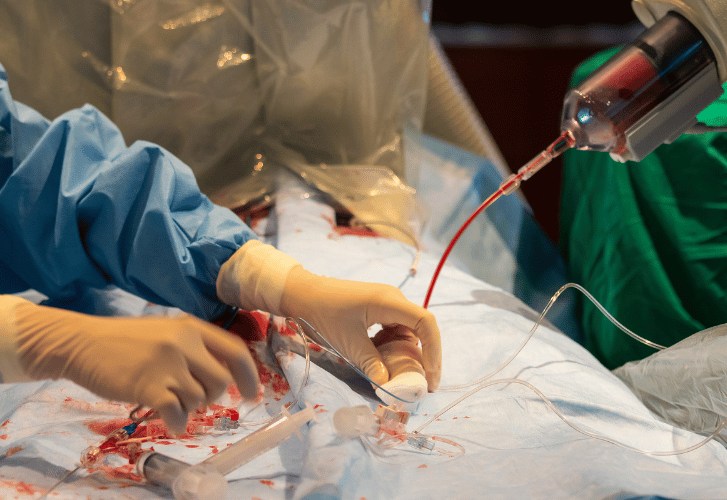
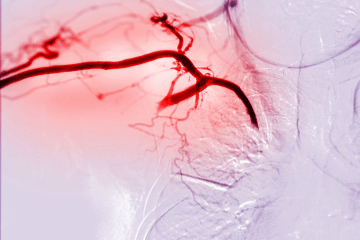
Angioplasty is a minimally invasive procedure used to open blocked or narrowed coronary arteries and improve blood flow to the heart muscle. A thin catheter with a small balloon is guided to the narrowed artery.
At St. Thomas Heart Centre, angioplasty procedures are performed by experienced interventional cardiologists using advanced imaging and precision-guided techniques for optimal outcomes. Angioplasty is commonly recommended for patients with coronary artery disease, chest pain, or heart attack caused by arterial blockages.
Signs That Angioplasty May Be Needed
- Signs That Angioplasty May Be Needed Narrowed or blocked arteries that restrict blood flow to the heart muscle
- Persistent Chest Pain (Angina): Ongoing chest discomfort despite medical treatment and lifestyle changes.
- Heart Attack or Acute Coronary Syndrome: Emergency intervention to restore blood flow and limit heart muscle damage.
St. Thomas Heart Centre:Trusted Angioplasty Services
At St. Thomas Heart Centre, precision, speed, and patient safety are at the core of our angioplasty services. Our cardiology teams work seamlessly to deliver effective treatment with minimal discomfort and faster recovery.
With a strong focus on clinical excellence and compassionate care, we help patients regain heart function and return to an active lifestyle.
01. Experienced Interventional Cardiologists:
Highly skilled specialists with extensive experience in complex coronary interventions.
02.Advanced Cath Lab Infrastructure:
State-of-the-art cath labs with high-definition imaging and real-time guidance.
03. Latest Generation Stents:
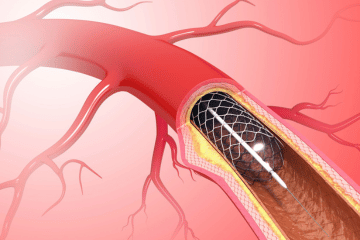
Use of drug-eluting and specialised stents for long-term artery patency.
04.Minimally Invasive Approach:
Small access site, reduced pain, and quicker post-procedure recovery.
05.Comprehensive Post-Procedure Care:
Medication guidance, lifestyle counselling, and regular follow-up monitoring.
How Early Angioplasty Improves Recovery
Delaying treatment for blocked coronary arteries can lead to serious and irreversible heart damage.
- Progressive chest pain and breathlessness
- Increased risk of heart attack
- Worsening heart muscle function
- Reduced oxygen supply to vital organs
- Life-threatening cardiac events
- Limited treatment options if delayed
- Early angioplasty can prevent complications and significantly improve survival and quality of life.
Make an appointment
Complete Angioplasty Care: From Diagnosis to Recovery
Our angioplasty program follows a structured, patient-focused pathway to ensure clarity, safety, and confidence at every stage.
Initial Cardiac Evaluation
Clinical assessment, ECG, blood tests, echocardiography, and angiogram review.
Treatment Planning
The heart team evaluates artery blockages, overall health, and treatment suitability.
Pre-Procedure Preparation
Medication review, fasting instructions, and patient counselling.
Angioplasty Procedure
Performed using catheter-based techniques with balloon dilation and stent placement.
Post-Procedure Monitoring
Close observation of heart rhythm, blood flow, and access site healing.
Recovery & Long-Term Follow-Up
Gradual activity resumption, medication management, lifestyle advice, and cardiac rehabilitation.
Our Doctors

FAQ About Angioplasty Services
1. How long does an angioplasty procedure take?
The procedure usually takes 45–90 minutes. Duration depends on the number of blockages treated.
2. Is angioplasty safer than bypass surgery?
For suitable patients, angioplasty is less invasive. Recovery is generally quicker than bypass surgery.
3. How long is hospital stay after angioplasty?
Most patients are discharged within 2–3 days. Stay may vary depending on individual recovery.
4. Will I need medications after angioplasty?
Yes, blood thinners and heart medications are usually prescribed. Your cardiologist will guide the exact regimen.
5.Can normal activities be resumed after angioplasty?
Most patients can return to routine activities soon. Follow your doctor’s advice for full recovery.
6. Is angioplasty a permanent solution?
Angioplasty improves blood flow immediately. Long-term success depends on medications and lifestyle changes.