Advanced Heart Transplantation Treatment
Giving patients a new chance at life with skilled transplant experts and state-of-the-art cardiac care, and world-class facilities.
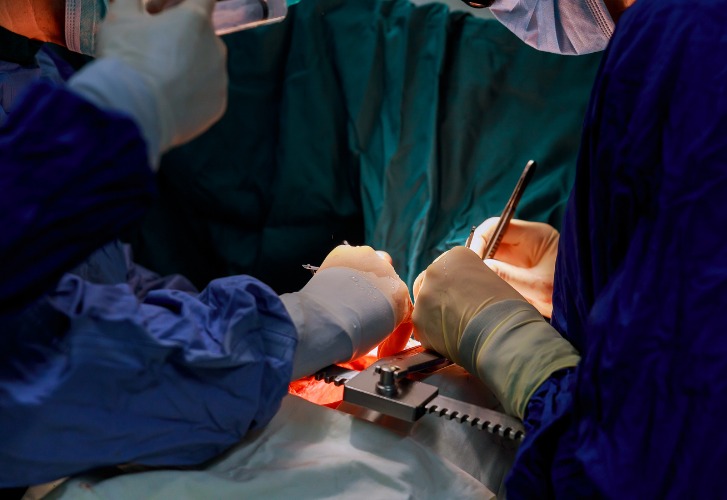
Heart Transplantation Explained
A heart transplant is a life-saving surgery in which a weak or severely damaged heart is replaced with a healthy donor heart. It is usually recommended for patients with end-stage heart failure. when medicines, devices, or other treatments can no longer improve their condition.
At St. Thomas Heart Centre, our dedicated transplant team includes cardiologists, cardiac surgeons, anesthetists, transplant coordinators, and rehabilitation specialists. works closely together to deliver safe, seamless, and high-quality care at every stage
When Heart Transplantation Becomes Necessary?
- Advanced Heart Failure: When the heart becomes too weak to pump blood properly, even after maximum medications or device-based treatments.
- Congenital Heart Disease: Severe or complex heart defects present from birth that cannot be corrected with other surgical procedures.
- Life-Threatening Arrhythmias: Irregular heart rhythms that persist despite medications or ablation procedures.
- Severe Coronary Artery Disease: When repeated blockages or damage prevent the heart from functioning effectively.
- Cardiomyopathy: When heart muscles become weak, enlarged, or stiff, leading to progressive failure.
- Failed Previous Heart Surgery: When prior surgeries or mechanical assist devices (LVADs) can no longer support heart function.
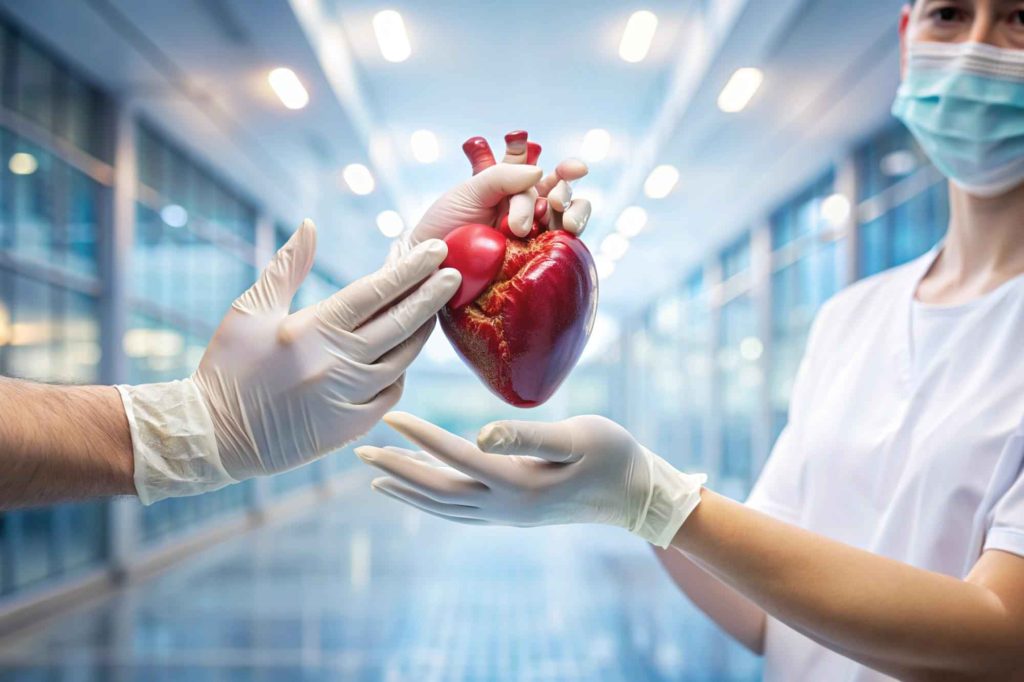
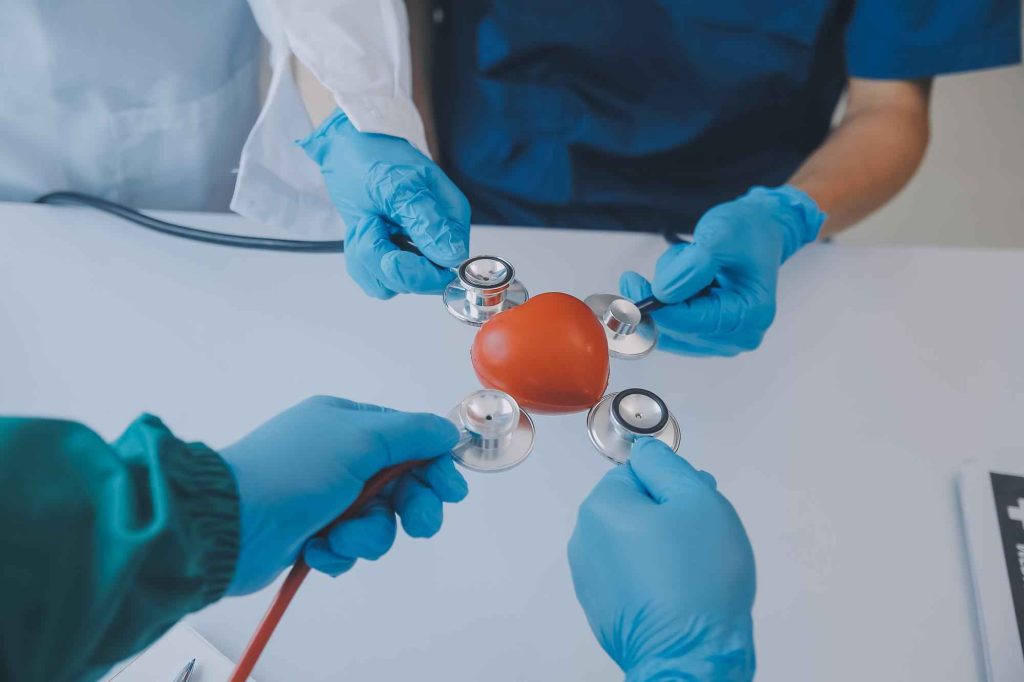
Why Choose St. Thomas Heart Centre for Heart Transplants
At St. Thomas Heart Centre, every member of our team plays a vital role in delivering exceptional cardiac care. Our highly skilled technicians, though often working behind the scenes, are among the strongest pillars of our heart transplant program. Their expertise, precision, and commitment make a significant contribution to our hospital’s success and the outcomes we achieve for our patients.
Driven by excellence, compassion, and advanced medical capabilities, we strive to be one of the leading heart transplant centres in the region and the world providing safe, reliable, and life-changing treatment for every patient who walks through our doors.
01. Experienced Heart Transplant Surgeons:
A team of highly skilled specialists with decades of experience performing even the most complex heart transplant procedures
02. World-Class Technologies:
State-of-the-art imaging systems, precision diagnostics, ECMO support, advanced ICU care, and innovative surgical tools.
03. Multidisciplinary Transplant Team
Expert professionals from cardiology, surgery, nutrition, nursing, and rehabilitation collaborating to deliver seamless care.
04. High Success & Survival Rates
Our commitment to evidence-based medicine ensures safer surgeries and long-term survival
05. Comprehensive Post-Transplant Care
Dedicated follow-up, personalised medication plans, and guided rehabilitation to support long-term health.
06. Compassionate & Ethical Practices
Patient-centered care, transparent communication, and complete support throughout the journey.
Risks of Delay
Delaying a recommended heart transplant can lead to rapid worsening of heart function and significantly increase the risk of life-threatening complications.
- Rapid decline in heart performance
- Fluid buildup in lungs, abdomen, and legs
- Increased chances of cardiac arrest
- Organ damage due to reduced blood flow
- Higher reliance on ventilators or mechanical support
- Lower survival rates once the window for safe transplant narrows
Make an appointment
Preparation and Recovery
At St. Thomas Heart Centre, we follow a structured, transparent, and patient-friendly transplant pathway:
Initial Evaluation
Detailed assessments covering heart tests, blood analysis, imaging studies, and lifestyle review.
Eligibility Assessment
Transplant experts examine medical history and confirm readiness for surgery and recovery.
Pre-Transplant Preparation
Medication optimization, lifestyle guidance, and counselling support from our care team.
Heart Transplant Surgery
Carried out by experienced surgeons using advanced methods and precision-focused protocols.
Post-Transplant ICU Care
Close monitoring of organ function, infection prevention, and overall stabilization.
Rehabilitation & Long-Term Follow-Up
Physiotherapy, nutritional support, and ongoing evaluations for sustained recovery.
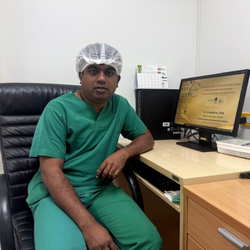
Our Doctors

Frequently Asked Questions
1. How long does a heart transplant surgery take?
The surgery usually lasts between 4 and 6 hours, depending on the patient’s health condition and the complexity of the procedure.
2. How long is the recovery after a heart transplant?
Most patients remain in the hospital for about 2–3 weeks and then continue with guided rehabilitation over the next few months.
3. Will I need medication after the transplant?
Yes. Lifelong immunosuppressive medicines are required to help prevent rejection of the transplanted heart.
4. Is a heart transplant safe?
Heart transplants have high success rates when performed at specialised centres with skilled surgeons and comprehensive post-operative care.
5. Can I live a normal life after the transplant?
Yes. With regular medication, healthy lifestyle choices, and routine follow-ups, many patients return to everyday activities and enjoy a good quality of life.
6. Are there alternatives if I’m not eligible for a transplant?
Yes. Treatment options may include LVAD therapy, medications, lifestyle management, and other advanced heart-failure treatments.